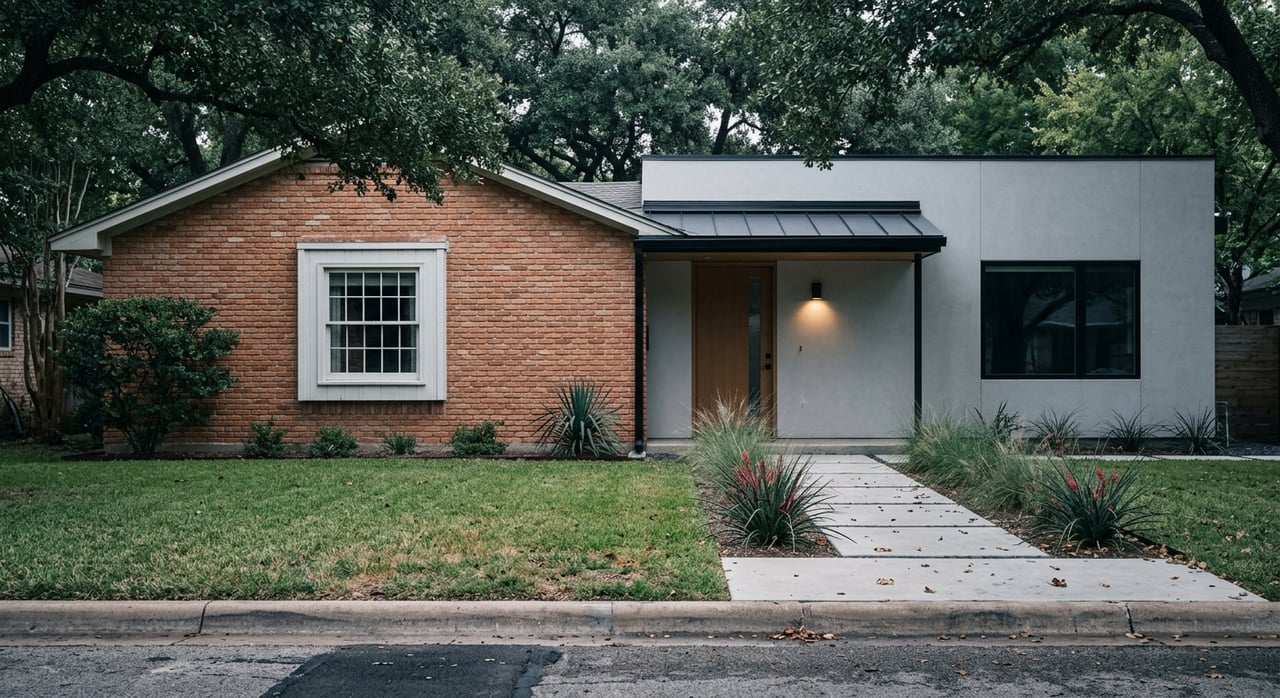
Comparing New vs. Established Homes in Georgetown
July 16, 2026
July 16, 2026
Wondering whether Georgetown feels more like a front-porch historic town or a polished master-planned community? The truth is, it can be both, and that is exactly why this decision matters. If you are trying to choose the right neighborhood for your lifestyle, this guide will help you compare what daily life looks like in newer versus established parts of Georgetown. Let’s dive in.
Georgetown includes both a historic, more walkable core and newer growth areas with a more planned suburban feel. The city’s downtown Cultural District centers around the courthouse and spans 40 blocks with more than 100 restaurants, wineries, shops, and galleries.
At the same time, Georgetown also includes newer mixed-use and growth areas such as Wolf Lakes Village and The Summit at Rivery. Those areas reflect a different style of living, with newer development patterns, planned retail, and evolving convenience centers. For many buyers, the choice comes down to how you want your everyday routine to feel.
In Georgetown, newer communities often come with a built-in lifestyle package. A strong example is Wolf Ranch, a large master-planned community with 1,120 acres, 2,465 single-family homes, nine builders, and homesites ranging from 40 to 70 feet.
That kind of setup gives you more options during your search. You may find quick move-in homes, to-be-built opportunities, and a wider range of floor plans and finishes than you might see in an older neighborhood with fewer resale options at one time.
One advantage of a newer community is variety within a single neighborhood. Wolf Ranch includes 15 model homes across two model villages, which shows how much choice buyers can have when comparing layouts, lot positions, and design styles.
If you like being able to narrow your options in one place, that can be a major plus. Instead of searching across many separate areas, you may be able to compare several home types inside one community framework.
Amenities are one of the clearest differences between newer and established neighborhoods. Wolf Ranch highlights resort-style pools, cabanas, clubhouse and fitness space, a splash pad, playgrounds, pickleball and sports courts, open lawn space, and more than 16 miles of trails.
For some buyers, that amenity package is a real quality-of-life benefit. If you want recreation, gathering spaces, and trails woven into the neighborhood itself, newer communities can make that easy.
Newer Georgetown neighborhoods often place convenience close to home. Wolf Ranch materials describe access to Wolf Ranch Town Center, which includes 65,000 square feet of retail, and note that the community is minutes from downtown Georgetown, shopping, dining, and major grocers.
That can make errands feel simpler and more centralized. If your ideal week includes easy grocery runs, nearby services, and neighborhood amenities in one general area, a newer community may check more boxes.
It is also important to look beyond the home itself. In Wolf Ranch, buyers should expect an HOA and a MUD tax component, which creates a different cost structure than what you may find in a more basic subdivision.
That does not make one option better than another. It simply means you will want to compare total ownership costs, not just the list price, when weighing a newer neighborhood against an established one.
Established Georgetown neighborhoods tend to appeal to buyers who care most about character, mature streetscapes, and proximity to the city’s historic center. In and around downtown, the feel is more compact and pedestrian-oriented, with a built environment shaped over time rather than created all at once.
That difference can be hard to measure on paper, but easy to feel in person. If you are drawn to older architecture, established trees, and a more in-town rhythm, these neighborhoods often stand out.
Older Georgetown homes are not usually as standardized as newer construction. The city’s historic survey describes a mix of architectural influences and house forms, including Bungalows, Minimal Traditional homes, and Ranch houses.
That variety can give established neighborhoods a more layered visual identity. Rather than repeating similar elevations across a large development, you may see different lot sizes, home styles, and streets that evolved over decades.
The downtown center is designed very differently from newer subdivisions. Georgetown’s design guidelines describe a nine-square-block area around the courthouse where buildings generally sit at the sidewalk edge, with minimal on-site parking in the core and parking or service access often handled from rear lots and alleys.
For buyers who value being close to restaurants, shops, and community events, that layout can be a big draw. It supports a more on-foot lifestyle, especially compared with neighborhoods built around garages, driveways, and internal amenity centers.
Established areas often feel greener and more rooted. Georgetown’s downtown design guidelines emphasize canopy trees around the courthouse and street trees throughout the nine-square area, which helps create the mature setting many in-town buyers appreciate.
That is a different experience from newly landscaped streets and planned common areas. Neither is automatically better, but the atmosphere is noticeably different when you are walking or driving through the neighborhood.
The best choice often depends on how you want your day-to-day life to work. Newer neighborhoods usually lean into convenience, amenities, and a more packaged experience. Established neighborhoods usually lean into character, centrality, and access to downtown activity.
If you picture weekends at a neighborhood pool, trails close to home, and errands done in a single area, a newer community may feel like the better fit. If you picture evenings near the square, a more compact setting, and architecture with history, an established neighborhood may feel more like home.
Downtown Georgetown has the city’s strongest concentration of walkable dining and entertainment. The Cultural District includes more than 100 restaurants, wineries, shops, and galleries, along with venues such as the Palace Theatre, Georgetown Public Library, Georgetown Arts Center, and Williamson Museum.
That makes nearby neighborhoods attractive for buyers who want regular access to activity in the city center. It also helps explain why some buyers are willing to trade newer features for a more connected in-town location.
One practical tradeoff is parking. In the downtown core, the city describes very little on-site parking and a pattern that relies more on rear access and alleys.
That can be part of the charm, but it is still a real lifestyle consideration. In newer neighborhoods, the experience is typically more centered around garages, driveways, and easier car-based circulation.
Before you decide between a newer or established Georgetown neighborhood, it helps to think beyond square footage and finishes. The right choice usually comes from matching the neighborhood to your habits, priorities, and long-term plans.
Ask yourself:
If you are relocating, moving up, or simply refining your search, it helps to tour both types of neighborhoods with a clear framework. Pay attention to how the streets feel, how errands would work, where you would spend weekends, and what kind of home choices are actually available in each area.
In Georgetown, this is rarely just a question of new versus old. It is really a question of convenience versus character, and the best answer depends on the lifestyle you want to build.
When you are ready to compare Georgetown neighborhoods with a more personal strategy, Tangela Bailey can help you narrow the options and find the setting that fits how you want to live.
Stay up to date on the latest real estate trends.


Partnering with Tangela, I bring clients a well-rounded real estate experience built on collaboration, knowledge, and care. Together, we combine our strengths to guide buyers, sellers, and investors with confidence and clarity, making each step of the process seamless and rewarding.