Understanding Dripping Springs Jumbo Loans Today
December 18, 2025
December 18, 2025
Shopping for a luxury home or acreage in Dripping Springs and wondering how the financing works above the standard limits? You are not alone. High‑value properties and custom builds often require a different type of mortgage that comes with extra steps and stricter reviews. In this guide, you will learn what a jumbo loan is, how it differs from a conforming loan, what lenders look for, and the local factors that can affect your approval and timeline. Let’s dive in.
A jumbo loan is any mortgage that exceeds the conforming loan limit set by the Federal Housing Finance Agency. For 2024, the national single‑family baseline limit is 766,550. Loans above the local conforming limit are not purchased by Fannie Mae or Freddie Mac, so lenders keep them in portfolio or sell them to private investors. That is why requirements can be more customized.
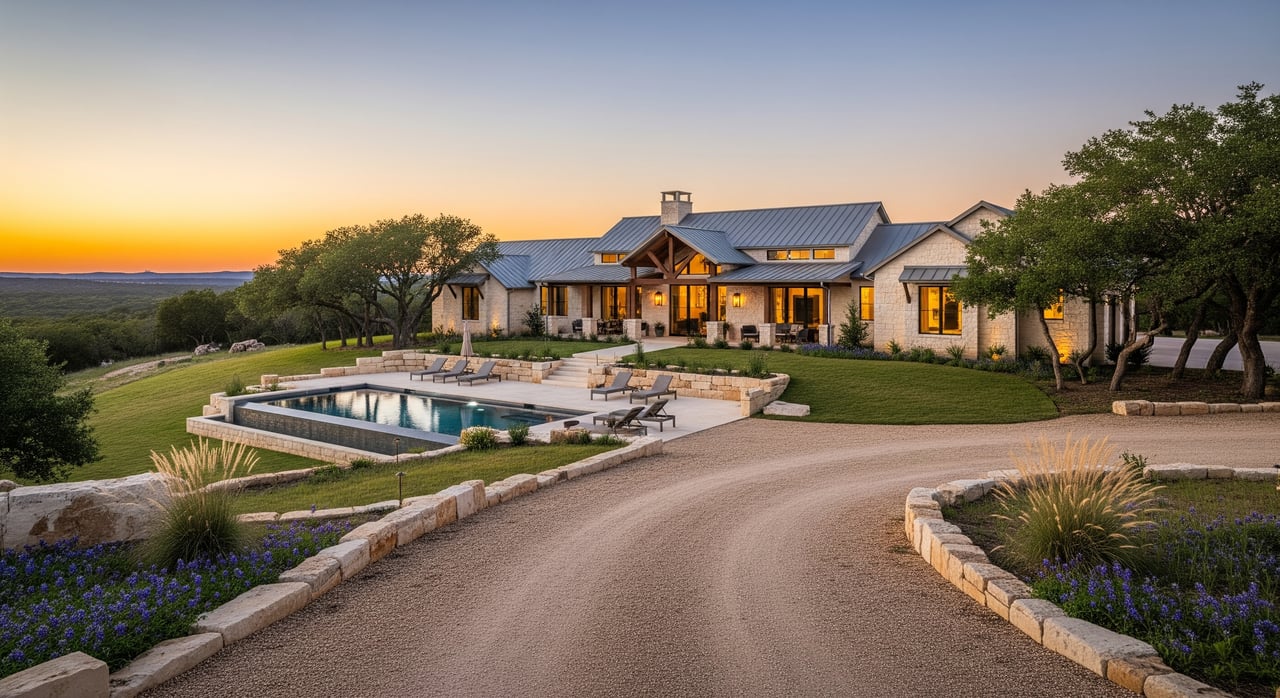
In Dripping Springs and greater Hays County, jumbo financing is common for luxury homes, multi‑acre properties, and custom construction. You may also see jumbo refinances for high‑value properties.
Because jumbo loans are not backed by Fannie Mae or Freddie Mac, underwriting is usually tighter and more individualized. Expect a closer look at your credit, income, assets, and the property itself.
Jumbo lenders pay close attention to the property. Acreage, guest houses, equestrian facilities, and custom features can make valuation harder. Appraisers may need to use land sales, wider search areas, or even a second appraisal for unique estates. That can affect timing and final approval.
Jumbo rates do not always sit higher than conforming. In some market periods, jumbo pricing has been very competitive or even better for strong borrowers. Your actual rate depends on your credit, LTV, loan size, product type, and whether the lender holds or sells the loan.
Closing costs can run higher for luxury or acreage purchases. You may see larger appraisal fees, surveys for expansive tracts, and extra third‑party reports. If the property has a septic system or private well, inspections and possible upgrades can add cost and time. Title policies for acreage often include additional endorsements.
If you are building, construction jumbos typically carry interest‑only payments during the build, draw inspections, and a conversion to permanent financing at completion. Plan for separate fees and contingency reserves in your budget.
Dripping Springs offers scenic ranch tracts, hill country estates, and custom homes. Those features come with unique underwriting considerations.
Practical tip: Low appraisals happen more often with unique properties. You can buffer this risk with stronger appraisal contingencies or by planning for a larger down payment if needed.
Acreage deals often involve detailed boundary surveys, easements, access or right‑of‑way questions, and sometimes mineral or water rights issues. Title exceptions and added endorsements are common. Start title and survey work early to protect your closing timeline.
Many Dripping Springs homes use on‑site septic and private wells. Lenders and insurers may require septic inspections, well yield tests, and flood determinations. If the property lies in a mapped floodplain, expect flood insurance. Rural fire and hazard exposure can also influence insurance availability and premiums. Lenders must see acceptable coverage before closing.
If you plan to build, you will likely use a lot loan, a construction loan, or a construction‑to‑permanent jumbo.
During construction, lenders fund draws at set milestones and order inspections before each release. The permanent loan is based on an appraisal of the completed home. Many buyers choose a one‑time construction‑to‑permanent structure to simplify the process.
In competitive Dripping Springs deals, a local lender can help your offer stand out.
Local underwriting teams understand Hays County property types and common hurdles. That can mean faster preapprovals and quicker decisions when time matters.
Local lenders often know which appraisers can credibly value acreage, outbuildings, and luxury finishes. That lowers the chance of an avoidable appraisal delay.
A full, documented preapproval, proof of funds, and direct contact info for your loan officer can assure sellers your deal will close. If rates are moving, discuss lock timing and any float‑down options that fit your closing window.
Jumbo financing in Dripping Springs is very achievable when you prepare early and work with a team that knows acreage, luxury, and custom builds. Strong credit, clear documentation, ample reserves, and the right local lender can help you close with confidence, even on unique properties.
If you want a clear plan that matches your goals and the property you love, let’s talk. For tailored guidance and trusted local connections, reach out to Tangela Bailey.
Stay up to date on the latest real estate trends.
Partnering with Tangela, I bring clients a well-rounded real estate experience built on collaboration, knowledge, and care. Together, we combine our strengths to guide buyers, sellers, and investors with confidence and clarity, making each step of the process seamless and rewarding.