How Downtown Austin Car-Free Living Really Works
February 19, 2026
February 19, 2026
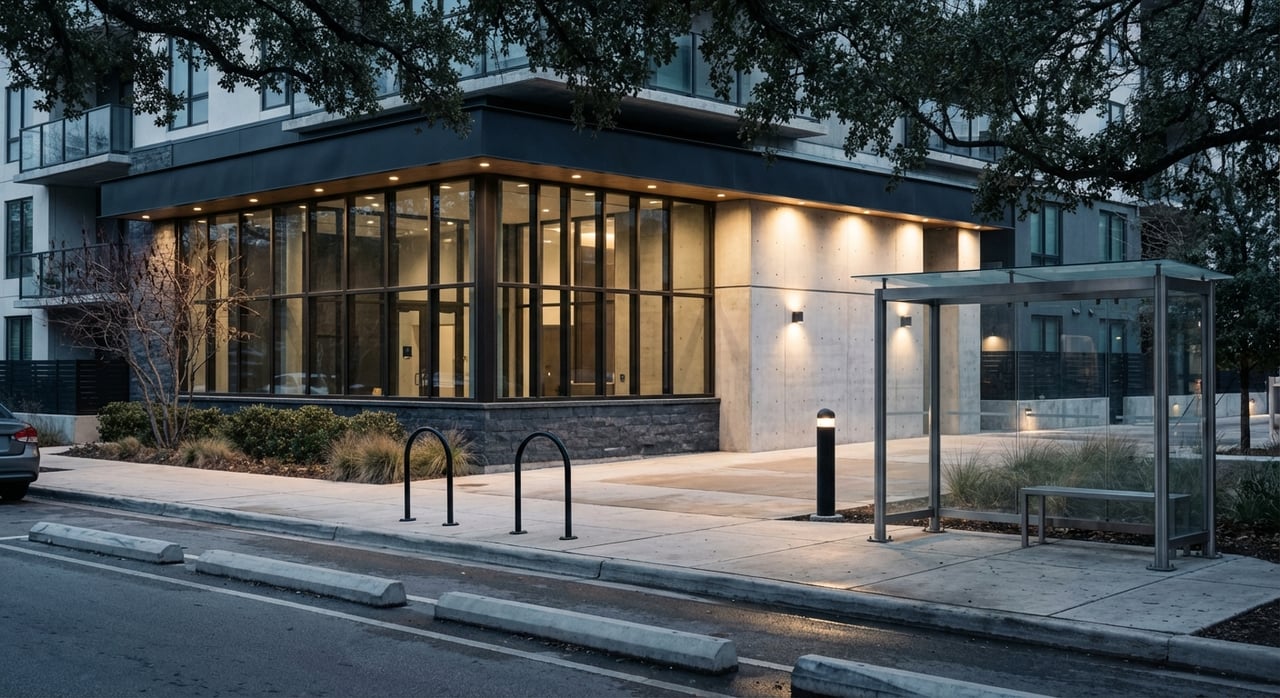
What if most of your week didn’t revolve around a car key? In Downtown Austin, many condo owners already live that way, trading long drives for short walks, bikes, and quick transit hops. If you’re curious how that works in real life, you’re in the right place. You’ll learn the mobility options, everyday conveniences, and the condo features that make car-light living practical in Austin’s urban core. Let’s dive in.
Downtown Austin is often described as a walker’s paradise, with Walk Score values in the 90s and a dense mix of homes, jobs, dining, and culture. The city’s core counts roughly 14,000 to 15,000 residents in about 10,000 residential units alongside 100,000-plus employees, which supports shops and services close to home. Those numbers come from the Downtown Austin Alliance’s comprehensive State of Downtown report. For many residents, the setup means you can handle most errands on foot and reserve a car for the rare trip.
Short blocks, connected streets, and concentrated retail corridors make walking the default downtown. The Downtown Austin Alliance helps program plazas and parks, which adds life to public spaces and makes quick trips enjoyable. You’ll feel it most along Congress Avenue and the 2nd Street corridor, where everyday errands fit into a 5 to 12 minute walk.
CapMetro’s system ties everything together. For regional rail, the Red Line stops at the heart of the city at the Downtown Station, linking the core to North Austin and northern suburbs. Buses run often on key corridors as part of a high-frequency network, which makes non-car commutes realistic if you work in or near the city. If you fly, CapMetro’s direct bus service to Austin-Bergstrom International Airport gives you a simple ride with late-night options.
Project Connect is the city’s long-term transit modernization effort that will add more high-capacity service and expand regional links. While timelines are phased and evolving, you can treat it as a coming boost to downtown connectivity. For context on planning and committee work, follow local coverage of Project Connect.
The Butler Trail around Lady Bird Lake provides a 10-mile loop that doubles as a scenic mobility spine for walkers and cyclists. It connects easily to downtown streets and is used all year for commuting and quick fitness breaks. Learn more from The Trail Conservancy.
At the city level, Austin’s bike plan focuses on protected lanes and an all-ages network, while MetroBike’s e-assist bikes make short trips fast and simple. Policy has also shaped e-scooter and e-bike use to balance convenience with safety. You can review the framework in the Austin Bicycle Plan.
Rideshare is widely available downtown, and many residents combine walking, transit, micromobility, and a few rideshare trips each month. If you need a car for a weekend, peer-to-peer and traditional rentals are options. Prices and availability flex with event seasons and time of day, so plan ahead around major festivals.
If you live in Seaholm or the 2nd Street/Market District, you can reach Trader Joe’s at Seaholm and several small-format markets like Royal Blue Grocery in minutes. For many buyers, that grocery-and-trail combo is the reason to go car-light. See the area’s anchors and lifestyle highlights on the Seaholm Residences page.
Downtown’s entertainment districts cluster close together, so dinner, a gallery stop, and a show can all happen on foot. The Warehouse and 2nd Street districts lean into restaurants, theaters, and venues like ACL Live/Moody Theater. Rainey Street adds a walkable mix of bungalows-turned-bars and high-rises, with lively nights and a growing daytime scene.
The Butler Trail loop, Auditorium Shores, Butler Park, and downtown squares create a reliable green network for morning runs or sunset walks. Pop-up fitness classes, farmers markets, and kayak access give you more reasons to step outside without a car. These parks link naturally to condo towers and office blocks, which makes quick breaks easy to work into your day.
From the Central Library to historic theaters and convention venues, downtown’s cultural anchors bring steady daytime energy and evening events. That round-the-clock activity supports cafes, markets, and services that make life car-light. The State of Downtown report captures how this mix shapes an 18-hour neighborhood.
Exact HOA dues, parking assignments, and guest policies vary by building and change with listings. Confirm current details with up-to-date building information and a local agent consult.
Austin summers are hot, especially midday. Plan walks in the morning or evening, favor shade on street routes, and consider e-bikes or scooters to shorten trips. Many residents use building gyms during peak heat and shift errands to cooler hours.
Festivals like SXSW and ACL make the street experience feel very different. The city and partners have introduced safety and management steps on Sixth Street in recent years. For context on recent decisions, see reporting on Safer Sixth Street measures and street configuration updates.
A 2023 analysis estimated about 17 percent of downtown’s surface area is dedicated to parking lots and garages, which shapes how walkable blocks feel and how buildings handle parking. Review the analysis of downtown parking supply to understand the broader context. At the building level, parking inclusions, fees, and guest options vary, so confirm specifics before you write any checks.
Start with a sunrise loop on the Butler Trail, then walk home for coffee. Grab MetroBike or walk to a nearby office or co-working spot. Meet friends after work for dinner in the 2nd Street District, then stroll to a show at ACL Live. When you’re done, it’s a short, well-lit walk back home. No car required.
Ready to explore condo options that make this lifestyle effortless? Reach out to Tangela Bailey for a tailored downtown tour and building-by-building guidance.
Stay up to date on the latest real estate trends.

Partnering with Tangela, I bring clients a well-rounded real estate experience built on collaboration, knowledge, and care. Together, we combine our strengths to guide buyers, sellers, and investors with confidence and clarity, making each step of the process seamless and rewarding.