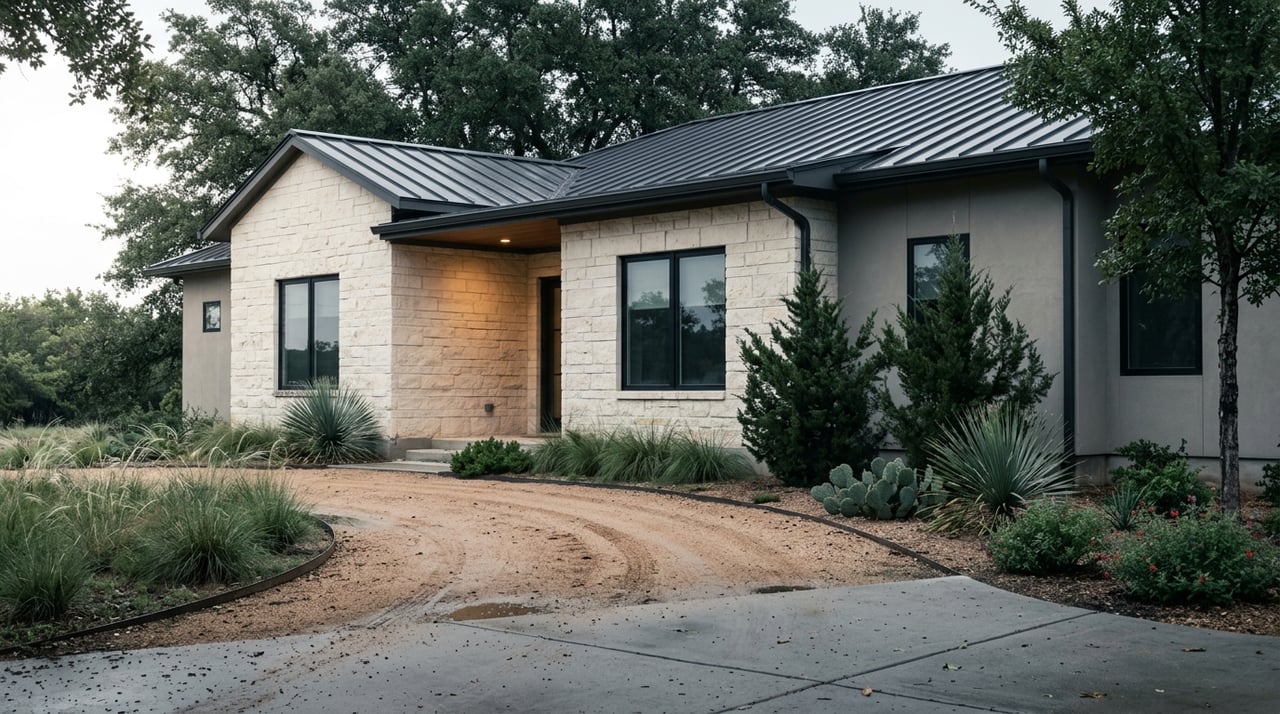
Building on Acreage in Dripping Springs: What to Know
July 9, 2026
July 9, 2026
Thinking about building on acreage in Dripping Springs? The exciting part is usually the house plan, but the real first step is making sure the land can support a legal, permitted build. If you want fewer surprises and a smoother path from purchase to construction, it helps to understand the local approval layers before you fall in love with a floor plan. Let’s dive in.
When you buy acreage in Dripping Springs, you are not just buying dirt. You are buying into a specific set of city, ETJ, or county rules that can shape what happens next.
The City of Dripping Springs says its building jurisdiction includes corporate city limits, limited-purpose city limits, and certain ETJ development agreements. In unincorporated areas, Hays County handles development and subdivision review. That means your first question should be simple: Which authority controls this tract?
A tract inside city limits may have a different permit path than land in the ETJ or county. The city also notes that some ETJ projects may need Planning Department review even if they do not require city building permits or inspections.
For you, this matters because timelines, permit steps, and supporting documents can change based on location alone. Before you plan site work, utilities, or a custom build, confirm who has authority over the property.
One of the biggest issues with raw acreage is whether it is already a compliant, buildable parcel. Hays County says residential single-family development must show, at minimum, a compliant parcel, a development permit, and an OSSF design if applicable.
If the tract still needs platting, subdivision work, or new road approvals, your timeline can expand quickly. County materials also reference items like groundwater availability certification, ETJ release affidavits, and water and wastewater utility acknowledgements for platting-related processes.
Acreage in the Hill Country can look straightforward at first glance, but local review often starts with the land itself. Buildability is not just about size or views. It is also about drainage, floodplain conditions, environmental overlays, and whether the planned site work triggers review.
Hays County says all development requires a county permit, whether it is inside or outside the floodplain. The county defines development broadly, including buildings, roadways, foundations, fill, clearing, and other land modification work.
That means even prep work can matter. If you plan to clear land, create a building pad, install a road, or move soil, you may need county review before construction begins.
Some tracts in Hays County also fall under Edwards Aquifer rules. TCEQ says a plan must be reviewed and approved by the Edwards Aquifer Protection Program before building on the recharge, transition, or contributing zones of the Edwards Aquifer.
This is one reason acreage buyers should verify map overlays early. If aquifer review applies, it can affect site planning before you get too far into design decisions.
On acreage, utility planning often drives the real schedule. A tract may seem ready for a home, but water, wastewater, and access can create the biggest hurdles.
If sewer is not available, wastewater usually becomes a septic or OSSF issue. Hays County requires an OSSF permit for all on-site sewage facilities, regardless of lot size, and it will not issue that permit if the tract violates subdivision regulations.
TCEQ also says the site must first be evaluated by a licensed site evaluator or licensed professional engineer before an OSSF can be installed or altered. If you are building inside city limits, the City of Dripping Springs says the septic permit is handled separately with the City Sanitarian. In the ETJ or county, it goes through Hays County.
The city also states that it will not issue a building permit until the septic permit has been processed and approved. In practical terms, septic is not an afterthought. It can be a major gatekeeper.
If you are considering a private well, start your research early. The City of Dripping Springs points residents to the Hays Trinity Groundwater Conservation District for groundwater well oversight in western Hays County.
HTGCD says a well-construction notification must be completed before drilling begins. Its forms page also notes that during Stage 3 or Stage 4 drought conditions, it may temporarily stop accepting some new well-related applications for non-exempt uses.
Water service around Dripping Springs is provider-specific, not one-size-fits-all. Dripping Springs WSC says it operates four groundwater wells south of town and also has a raw-water contract that is treated and sold to it by West Travis County PUA.
Its homepage lists a capital contribution fee of $8,614 effective January 1, 2025, and its site currently posts Stage 4 watering restrictions. Separately, the City of Dripping Springs Environmental Health page lists Stage 2 mandatory watering restrictions for city water customers starting April 1, 2026. For you, the key takeaway is that irrigation, pool plans, and landscaping should be checked against the actual provider serving the tract.
A beautiful homesite still needs lawful access. On acreage, driveways, easements, and internal roads can affect both feasibility and timing.
Hays County requires permits for driveway construction in county easements and rights-of-way. It also requires permits for utility work within county right-of-way.
If your tract needs a new entrance, culvert work, or utility crossing, this should be part of your due diligence early in the process. Access is not just a construction detail. It is part of whether the site is ready to build.
The City of Dripping Springs builder packet says site plans must show driveway location, width, pavement material, utilities, drainage flow, and 911 addressing before permits are issued.
That level of detail is a good reminder that acreage builds often involve more front-end coordination than buyers expect. The lot may feel wide open, but the review process is still precise.
One of the most helpful ways to think about building on acreage is as a sequence problem. If one approval depends on another, delays can happen when steps are tackled out of order.
The City of Dripping Springs says online applications are accepted through MGO, the city has up to 5 business days to accept an application, first-round plan review can take up to 15 business days, and additional comments or approval can take up to 10 more business days.
Hays County also uses administrative and technical review for development and OSSF permits, and it does not accept paper applications. While every property is different, these local review steps show why acreage projects often need more coordination on the front end than a typical in-town lot.
The purchase price and construction budget are only part of the picture. Local fees can start adding up before vertical construction begins.
The City of Dripping Springs FY2026 fee schedule lists a one- and two-family new residential permit at $1.00 per square foot and a residential OSSF permit at $600. Dripping Springs WSC lists an $8,614 capital contribution fee. Depending on the tract, you may also need to budget for survey work, engineering, driveway or road work, utility planning, septic design, or well-related costs.
If you are evaluating acreage in Dripping Springs, focus on the items that most often affect whether you can move forward smoothly.
Building on acreage in Dripping Springs can be rewarding, but it is rarely as simple as buying land and breaking ground right away. The process often depends on getting the order right: legal parcel status first, then access, water and wastewater planning, overlay review, and finally design and permitting.
That is where experienced local guidance can make a real difference. When you understand the approval path before you buy, you can evaluate land more strategically and avoid expensive surprises later.
If you are considering acreage in Dripping Springs and want a grounded, local perspective on how a tract may fit your goals, Tangela Bailey can help you approach the process with clarity and confidence.
Stay up to date on the latest real estate trends.
Partnering with Tangela, I bring clients a well-rounded real estate experience built on collaboration, knowledge, and care. Together, we combine our strengths to guide buyers, sellers, and investors with confidence and clarity, making each step of the process seamless and rewarding.