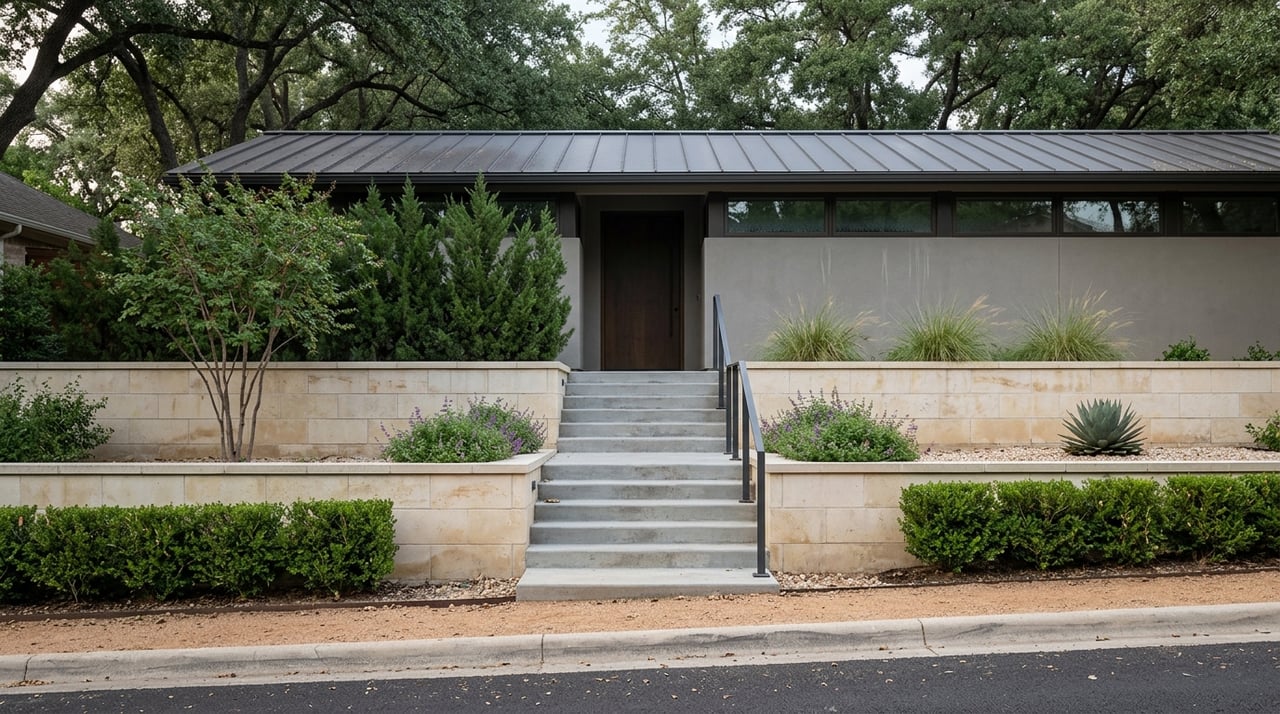
Northwest Hills vs Westlake: Which West Austin Feel Fits?
May 28, 2026
May 28, 2026
If you are torn between Northwest Hills and Westlake, you are not alone. Both areas sit in West Austin, both offer beautiful Hill Country surroundings, and both attract buyers who want more than just a house. The difference is in how daily life feels once you live there. This guide will help you compare the two so you can decide which setting fits your routine, priorities, and budget best. Let’s dive in.
Northwest Hills feels like part of a larger Austin neighborhood network. City planning materials place it within a broader northwest Austin area, and the Northwest Austin Civic Association describes a community with more than 6,200 single-family households and more than 5,000 apartments. That larger footprint gives Northwest Hills a more connected, everyday neighborhood feel.
West Lake Hills is much smaller and more defined as its own city. Official city materials describe it as an incorporated city of about 4 square miles with roughly 1,000 homes and 200 businesses. That smaller scale is a big reason Westlake often feels more private, quieter, and more insulated from the city around it.
If you want a neighborhood that feels established, practical, and tied into Austin’s daily rhythm, Northwest Hills often stands out. The area is close to MoPac, sits less than 10 miles from downtown Austin according to Homes.com, and stays convenient to north Austin tech corridors. That means your day-to-day movement can feel more straightforward.
Northwest Hills also has a more visibly organized neighborhood structure. You see that in the presence of parks, recreation spaces, nearby schools, and neighborhood association activity. For many buyers, that creates a sense of familiarity and flexibility that feels easy to settle into.
West Lake Hills offers a very different atmosphere. City materials describe it as being nestled in the foothills on the west bank of Lake Austin, with rugged terrain, steep cliffs and canyons, dense woods, and a strong preservation focus. That setting gives the area a more tucked-away and scenic feel.
The city also places clear emphasis on preserving its rural, wooded character. Tree and vegetation removal are regulated to protect the natural setting. If you are drawn to privacy, larger lots, and a home environment that feels more removed from the city, Westlake may feel more like home.
Northwest Hills has an established housing mix with many homes built from the 1950s through the 1990s. Homes.com identifies midcentury modern as a signature style, along with ranch, split-level, contemporary, and New Traditional homes. You will often find this variety spread across rolling Hill Country terrain.
That mix gives buyers more options in both style and layout. If you like the character of older Austin housing stock and want choices beyond one dominant look, Northwest Hills offers a broader range. It tends to appeal to buyers who want a classic Austin feel with different price and design entry points.
West Lake Hills includes both smaller and larger lots, but the land itself plays a bigger role in the value story. The city’s master plan describes heavily wooded secluded lots, dramatic terrain, and some land that is not suitable for building. Homes.com adds that the median lot size is above 26,000 square feet.
You may still find a range of home styles, from ranch homes to modern mansions. Even so, many buyers are choosing Westlake as much for the setting, privacy, and site characteristics as they are for the house itself. In Westlake, the lot and topography often shape the experience.
For many buyers, budget is where the comparison becomes much clearer. Redfin reports a March 2026 median sale price of $757,500 in Northwest Hills, compared with $2.7 million in West Lake Hills. That places Westlake at roughly 3.6 times Northwest Hills on a median sale price basis.
Days on market are fairly close, with Northwest Hills at a median of 62 days and West Lake Hills at 69 days in March 2026. Even though both sit within desirable West Austin territory, they serve very different price brackets. If you want West Austin access without entering Westlake pricing, Northwest Hills may offer the more realistic path.
Northwest Hills has a practical parks-and-rec backbone that shapes how the neighborhood feels. Allen Park offers short hiking trails through juniper and oak woodland, and the area also includes the Northwest Recreation Center and Murchison Pool. These are the kinds of amenities that can make routines feel simple and local.
The Northwest Austin Civic Association also highlights work around neighborhood watch, zoning, transportation, parks, tree health, and annual events like its Fourth of July parade. That level of community organization adds to the sense that Northwest Hills is not just scenic, but lived-in. For some buyers, that creates a stronger feeling of day-to-day belonging.
West Lake Hills is also close to downtown Austin, but its feel is shaped more by terrain and preservation than by a dense amenity network. Official materials consistently point to scenic surroundings, wooded landscapes, and a strong commitment to protecting the area’s natural character. The result is a more curated residential environment.
Because the geography includes steep slopes, dense woods, and winding roads, the daily experience can feel more site-specific. The city’s descriptions suggest a commute pattern influenced by topography rather than a straight grid connection. For buyers who want beauty, privacy, and separation, that may be a plus rather than a drawback.
School identity plays a role in how many buyers compare these two areas, but in different ways. In Northwest Hills, Austin ISD campuses such as Doss Elementary and Murchison Middle serve as nearby anchors for many addresses. They help reinforce the area’s practical, city-connected neighborhood identity.
In West Lake Hills, the school identity is often more central to how buyers describe the area. Eanes ISD serves the community, with campuses such as Westlake High School and Eanes Elementary noted in official materials. That can make Westlake feel more school-centered in how buyers think about location and long-term fit.
Northwest Hills is often the better fit if you want:
This area tends to appeal to buyers who want West Austin access without giving up convenience. It can also work well if you value neighborhood texture over seclusion.
West Lake Hills is often the better fit if you want:
Westlake usually attracts buyers who see the home and the land as one package. If privacy and setting are at the top of your list, Westlake often delivers that in a way few areas can.
If home means flexibility, neighborhood rhythm, and easier access to the wider Austin grid, Northwest Hills may feel more natural to you. It offers a broad housing mix, practical amenities, and a strong sense of established West Austin living. For many buyers, that balance makes it easier to picture everyday life.
If home means privacy, larger lots, dramatic terrain, and a more secluded setting, Westlake may be the stronger match. Its smaller scale and preservation-minded character create a distinct experience that feels more exclusive and land-driven. Neither is better across the board. The right choice depends on how you want your life to feel once you pull into the driveway.
If you are weighing Northwest Hills against Westlake and want a more tailored view of which area fits your goals, budget, and lifestyle, Tangela Bailey can help you compare the details with clarity and confidence.
Stay up to date on the latest real estate trends.

Partnering with Tangela, I bring clients a well-rounded real estate experience built on collaboration, knowledge, and care. Together, we combine our strengths to guide buyers, sellers, and investors with confidence and clarity, making each step of the process seamless and rewarding.