Exploring Pemberton Heights Architecture Styles & Homes
March 24, 2026
March 24, 2026
If you love architecture, a walk through Pemberton Heights feels like a design lesson come to life. In just a few blocks you can spot a castle landmark, a Mount Vernon inspired estate, and an ivy kissed Tudor cottage. Whether you are scouting a future home or simply curious about Austin’s most storied neighborhoods, understanding the styles here helps you see what makes each property special. In this guide, you will learn how to identify key styles, where to see standout examples, and what to know if you plan a renovation. Let’s dive in.
Tucked on a limestone shelf above Shoal Creek, Pemberton Heights sits in Central West Austin near Pease Park, about two miles from the University of Texas and downtown. The neighborhood counts about 613 residences, with more than 40 homes carrying official historic designations or markers, and a signature streetscape of mature live oaks and landscaped triangles that make it feel cohesive. You can find these details in the Pemberton Heights Neighborhood Association overview.
Pemberton Heights is part of the Old West Austin National Register Historic District. City materials highlight a broad timeline of styles here, from mid 19th century Greek Revival through mid 20th century Modern. For district context and the range of styles, see the City’s Old West Austin historic district summary.
The land traces to the George W. Spear league and later Judge John W. Harris in 1859. Large scale subdivision work began in the late 1920s, when new bridges across Shoal Creek, including the Windsor Road and 24th Street crossing in 1928, opened the plateaus for automobile age homes. Most building in Pemberton Heights dates to the late 1920s through the 1940s, which is why so many revival and bungalow homes remain intact. These milestones are documented by the neighborhood association.
Use these quick cues, drawn from National Register style guidance, to identify what you are seeing. For deeper definitions, review the National Register style descriptions.
Tudor homes show steep, sometimes cross gabled roofs, tall chimneys, arched doorways, and masonry or stone veneers. You may see decorative half timbering and narrow casement windows with diamond panes. In Pemberton Heights, Tudors lean more picturesque than ornate. A local example is the Sandgarten House at 1513 Hardouin Avenue, noted for its ivy edged courtyard walls by the neighborhood association.
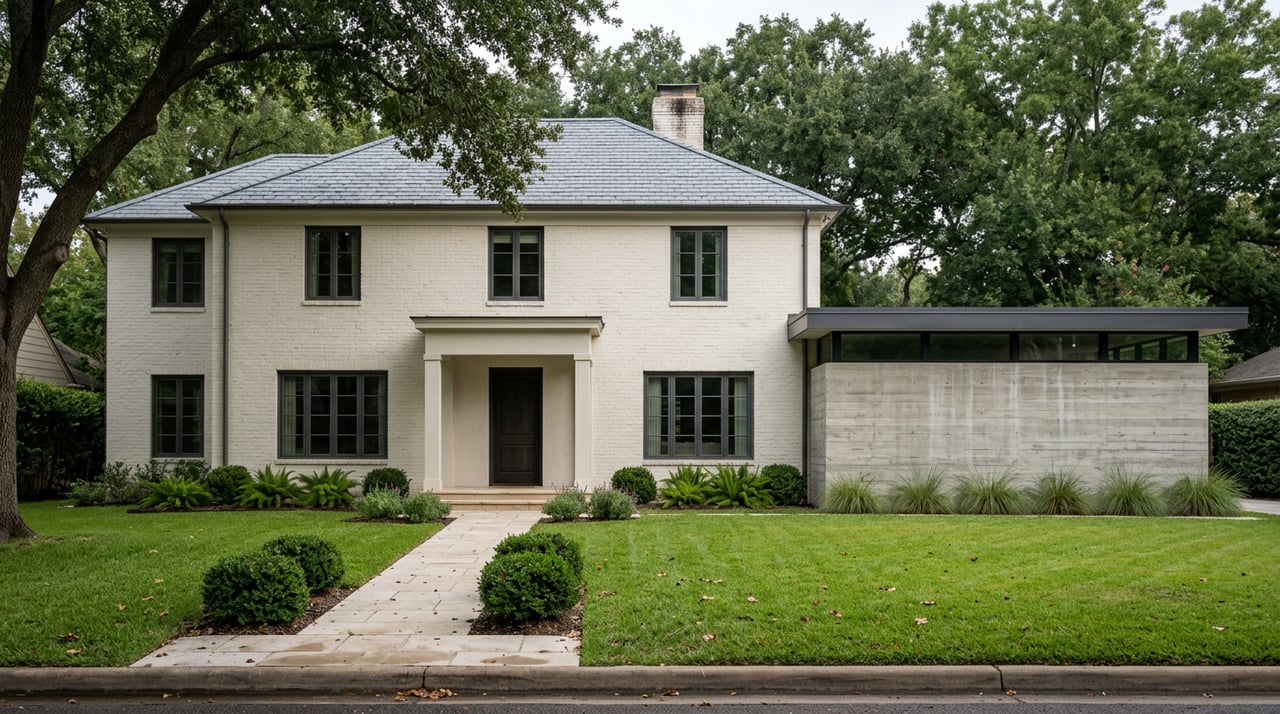
These homes often read as symmetrical and composed, with centered entries framed by classical surrounds or small porticoes, multi pane double hung windows, and brick with crisp white trim. The Catterall Mills House at 2424 Harris Boulevard is a Georgian Revival residence modeled on Mount Vernon, a clear reference point for the style. You can find it highlighted on the neighborhood site.
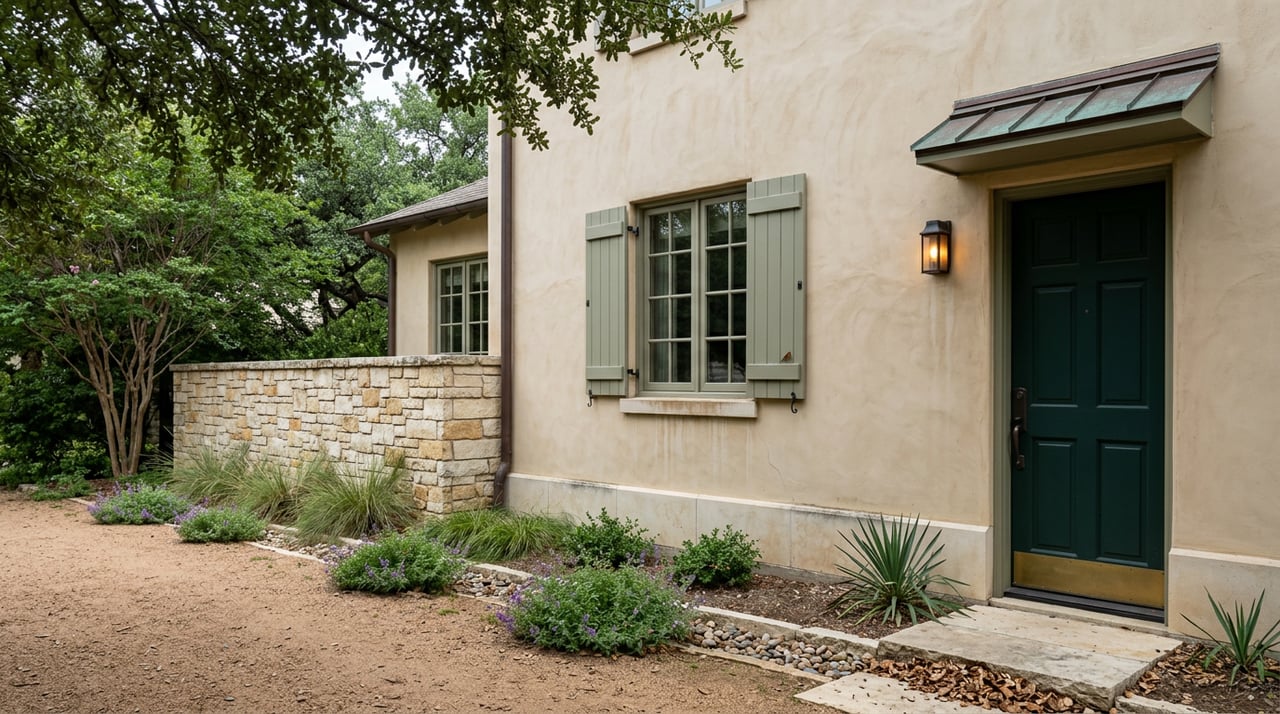
Monterey Revival homes often feature a second story balcony that runs across the facade. You will also see stucco walls, simple classical or Spanish inspired detailing, and sometimes tile roofs. The Keith House, located at the neighborhood gateway on Harris Boulevard and Windsor Road, is locally described as Monterey influenced and sited to take in views toward the Capitol. It is a useful landmark to start a walk, as noted by the neighborhood association.
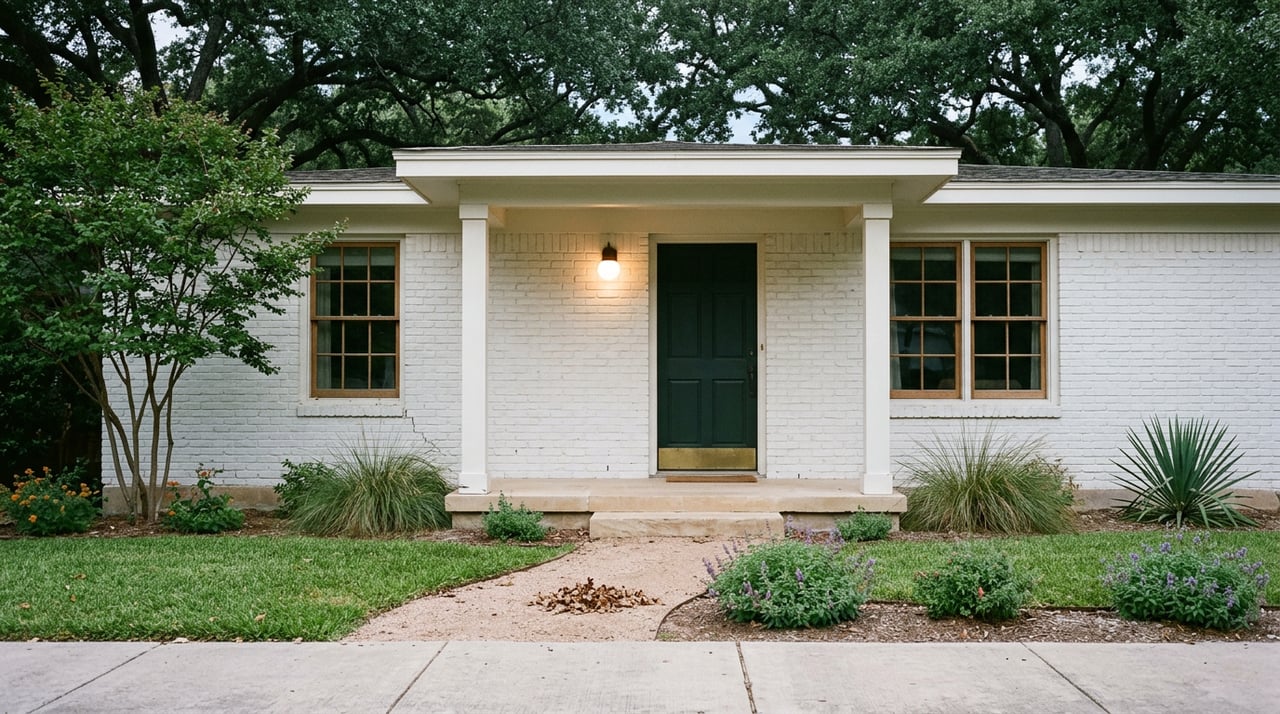
Craftsman bungalows feature low pitched gable roofs, wide eaves with exposed rafters, and porches with tapered or squared columns on stout piers. Look for grouped windows and natural materials like stone and brick on porch supports. Prairie influences show as strong horizontal lines and paired windows. Pemberton Heights has many modest bungalows from the 1920s and 1930s woven among larger homes, which creates the neighborhood’s comfortable everyday fabric.
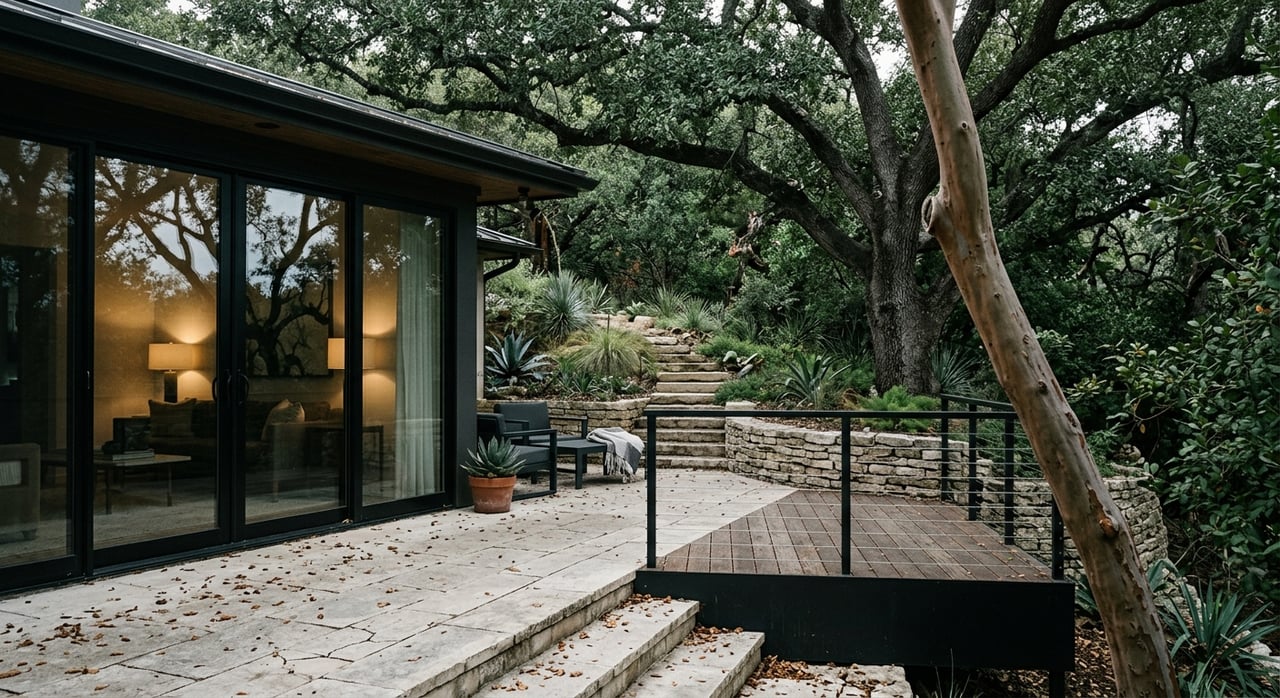
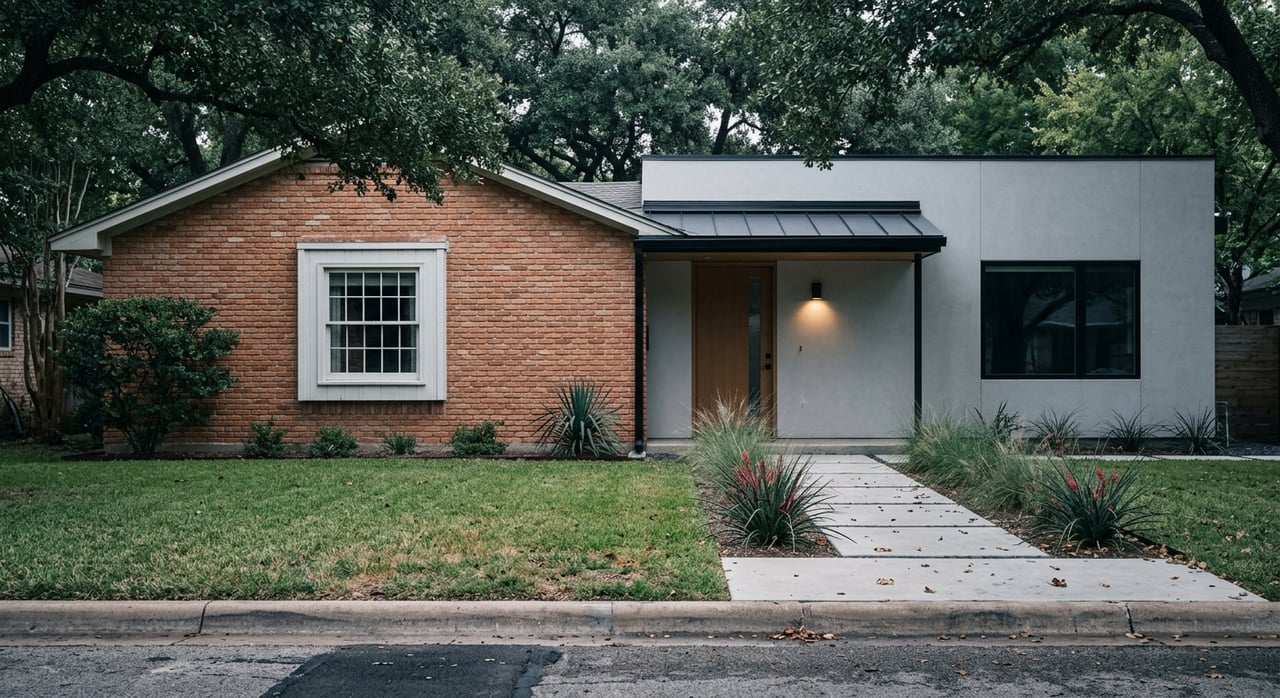
Modern movement homes here tend to have flat or low pitched roofs, larger glass areas, clean planes, and open plans that connect indoors and outdoors. The Old West Austin nomination recognizes these later mid century examples as part of the district’s stylistic span. You will see them as occasional intact homes and thoughtful infill that marks the transition from revival styles to modernism, a point summarized in the City’s district overview.
Pemberton Heights also has one of Austin’s most recognizable residences. Pemberton Castle, also known as the Fisher Gideon House at 1415 Wooldridge Drive, began as a water tower before becoming a castle like sales office and then a private home. The story is captured in the Texas historical marker text for Pemberton Castle. Estate scale homes such as the Malcolm and Margaret Badger Reed Estate and the Keith House add to the neighborhood’s layered narrative.
Because Pemberton Heights sits within the Old West Austin National Register Historic District, preservation standards shape many exterior changes. National Register listing recognizes significance and may make some properties eligible for incentives, but local review requirements control what needs approval. The City of Austin’s Historic Design Standards favor repair or rehabilitation of historic materials, compatible scale and massing for additions, and clear differentiation between old and new work. Review the City’s heritage and design standards guidance for current rules and resources.
If you plan a project, start with a quick checklist:
Use this simple loop to experience the range of architecture and streetscapes:
Remember to be respectful of private property and observe homes from the sidewalk.
Choosing a home in Pemberton Heights is about more than square footage. It is about architectural character, setting, and the way historic standards influence value and future plans. If you are considering a move or want guidance on renovation decisions before you buy, reach out to Tangela Bailey for neighborhood level insight and premium representation.
Stay up to date on the latest real estate trends.
Partnering with Tangela, I bring clients a well-rounded real estate experience built on collaboration, knowledge, and care. Together, we combine our strengths to guide buyers, sellers, and investors with confidence and clarity, making each step of the process seamless and rewarding.