Why Tarrytown Austin Luxury Lifestyle Feels So Enduring
April 23, 2026
April 23, 2026
If luxury doesn’t have to be loud, Tarrytown may be one of Austin’s clearest examples. Just west of downtown, this established neighborhood is known less for spectacle and more for the kind of ease that shows up in mature trees, well-kept homes, quiet streets, and daily access to parks, art, and the lake. If you’re trying to understand why Tarrytown feels so enduringly desirable, this guide will help you see what sets its lifestyle apart. Let’s dive in.
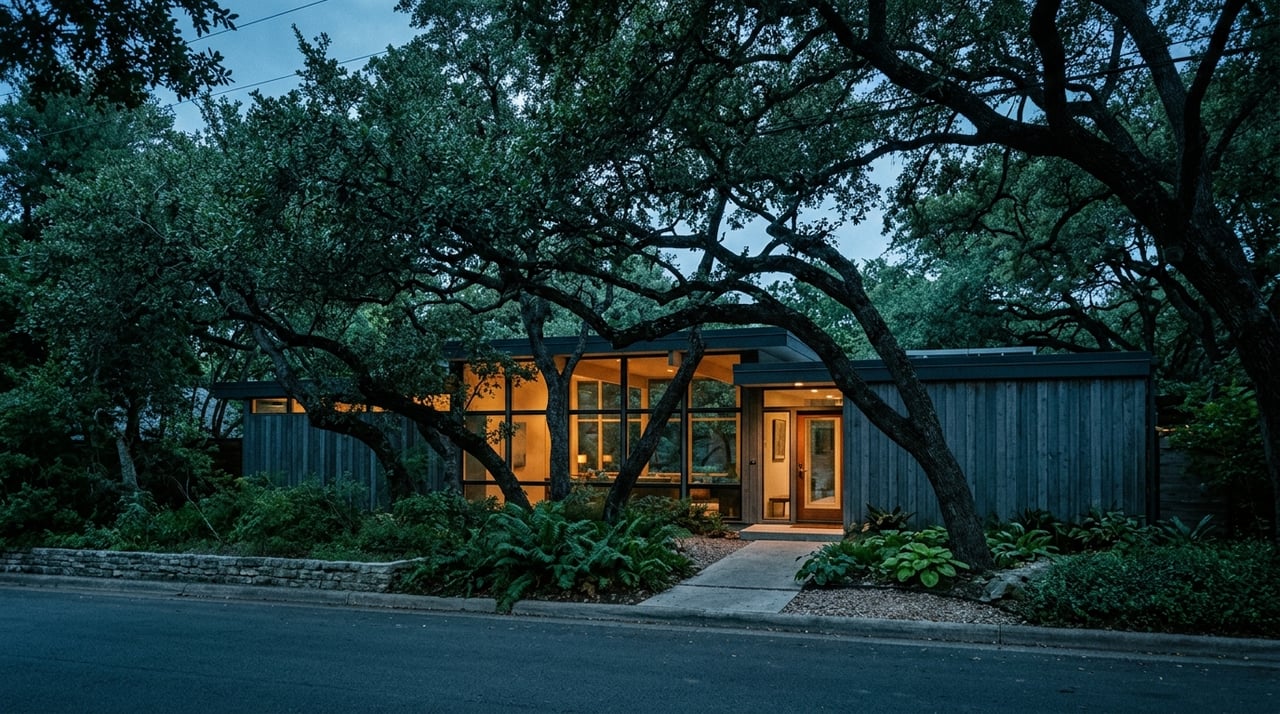
One of Tarrytown’s defining qualities is its location. It sits just west of downtown Austin and the University of Texas, yet it reads as residential first, not urban-core first. According to the Tarrytown neighborhood association, much of the area’s character comes from old, large trees and well-tended lawns and gardens.
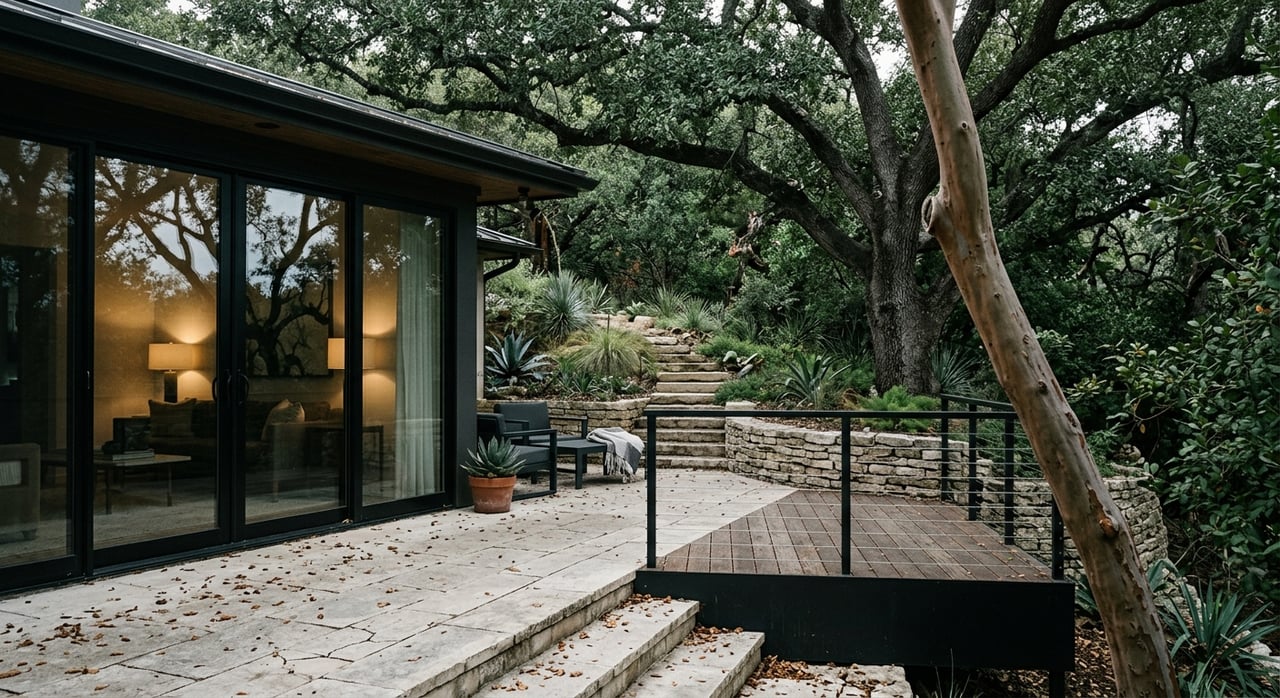
That natural canopy shapes the experience of being there. The neighborhood also includes a mix of grid streets and winding roads that follow the land’s topography, along with narrow residential streets and no alleys, which supports a quieter, more pedestrian-friendly feel. Together, those details create a setting that feels polished and established without feeling busy or overbuilt.
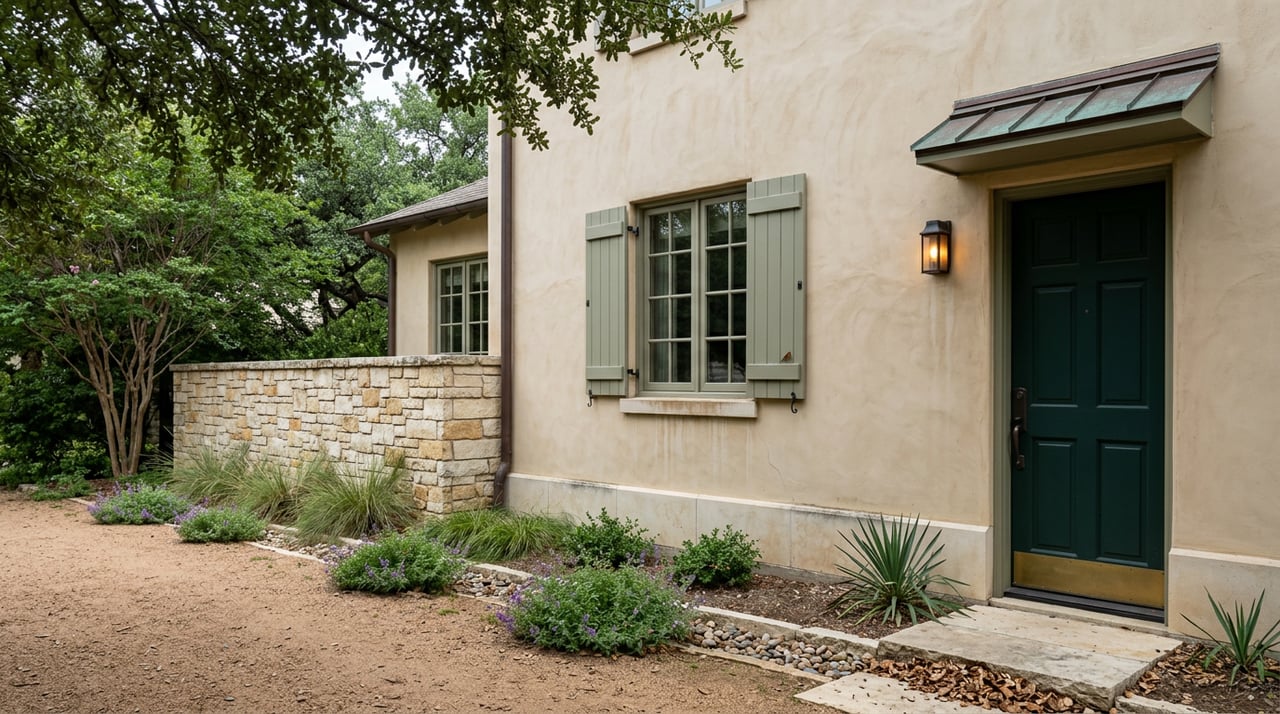
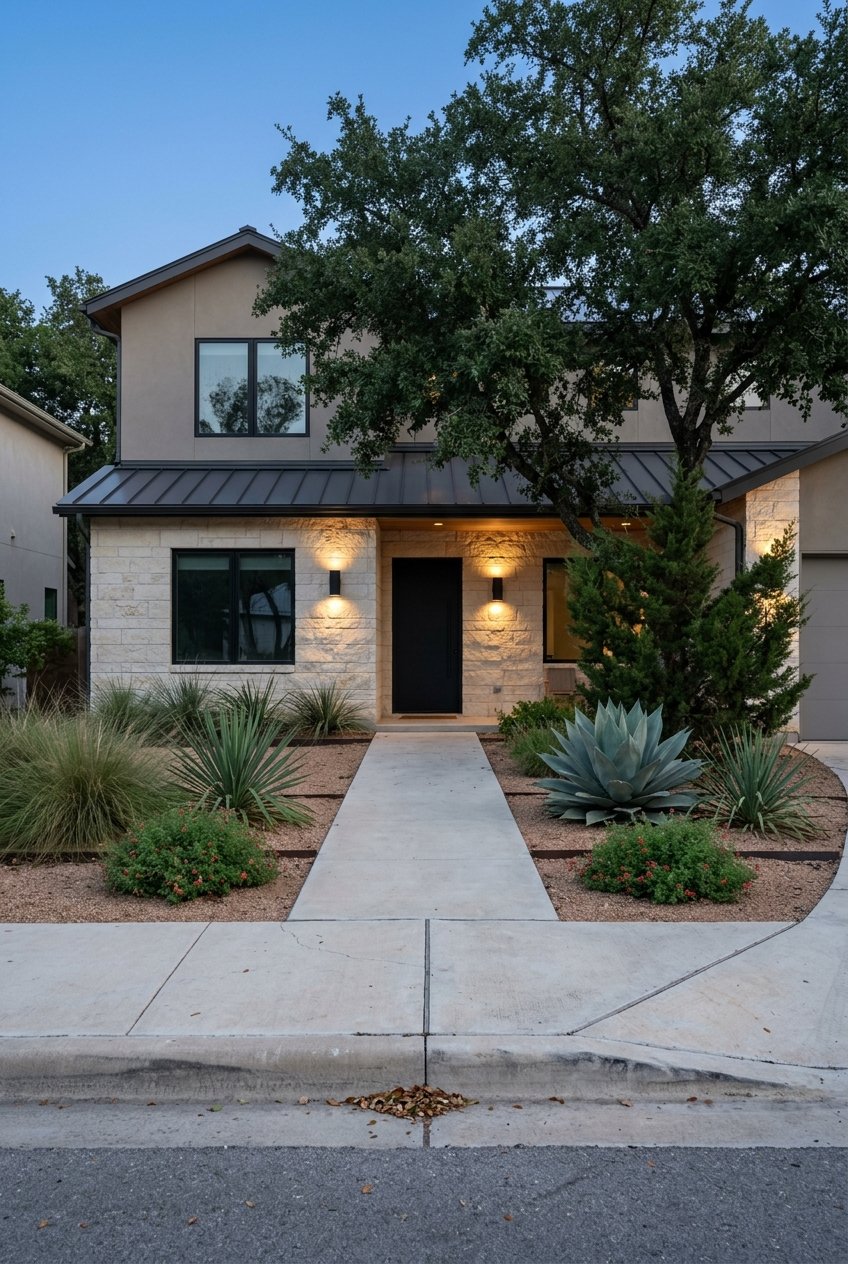
In Tarrytown, luxury is often expressed through setting and stewardship rather than flash. The neighborhood’s appeal comes from how well its homes sit within the landscape, how mature the lots feel, and how consistent the overall streetscape remains from block to block. It is a kind of prestige that feels confident, not performative.
That is a big reason the area is often associated with quiet luxury. Instead of relying on highly commercial surroundings or showy design cues, Tarrytown offers a visual rhythm of canopy, gardens, and homes that feel rooted in place. The result is an environment that feels elevated in a way that is easy to live with every day.
Housing character is central to the neighborhood’s identity. The Tarrytown Alliance describes a range that includes historic older homes, estates, and charming bungalows, while the city’s planning framework notes that the area’s housing patterns reflect its traditional development history.
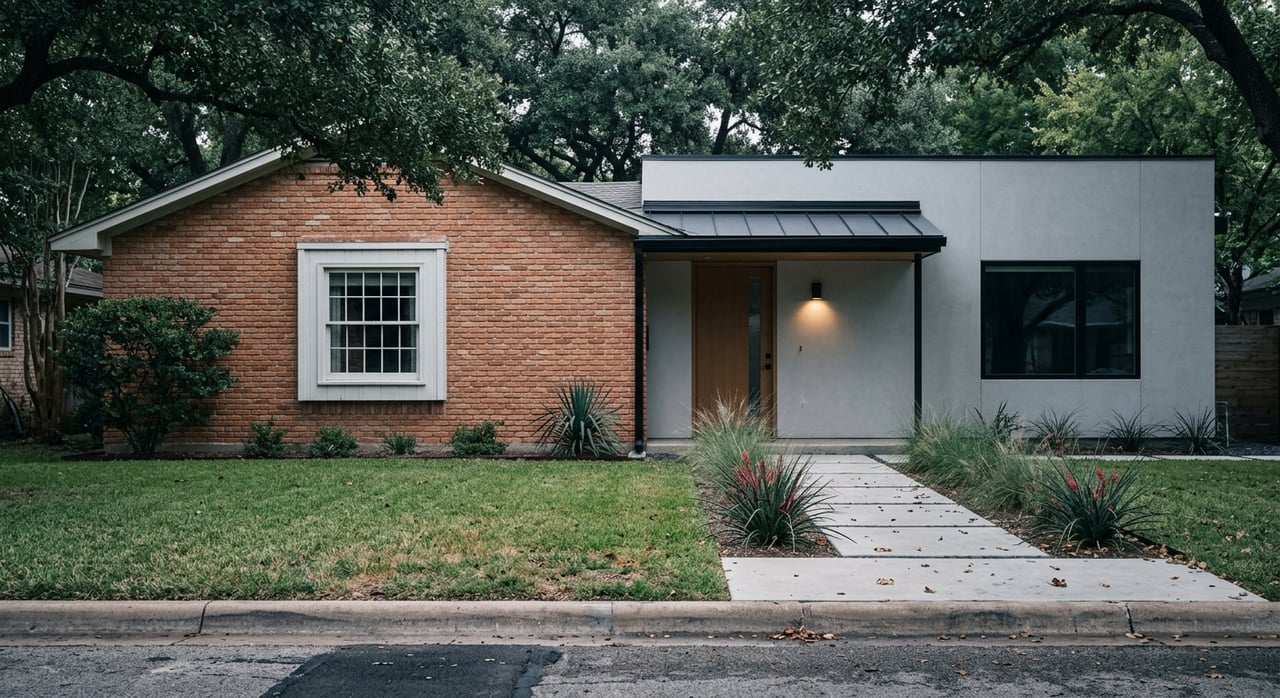
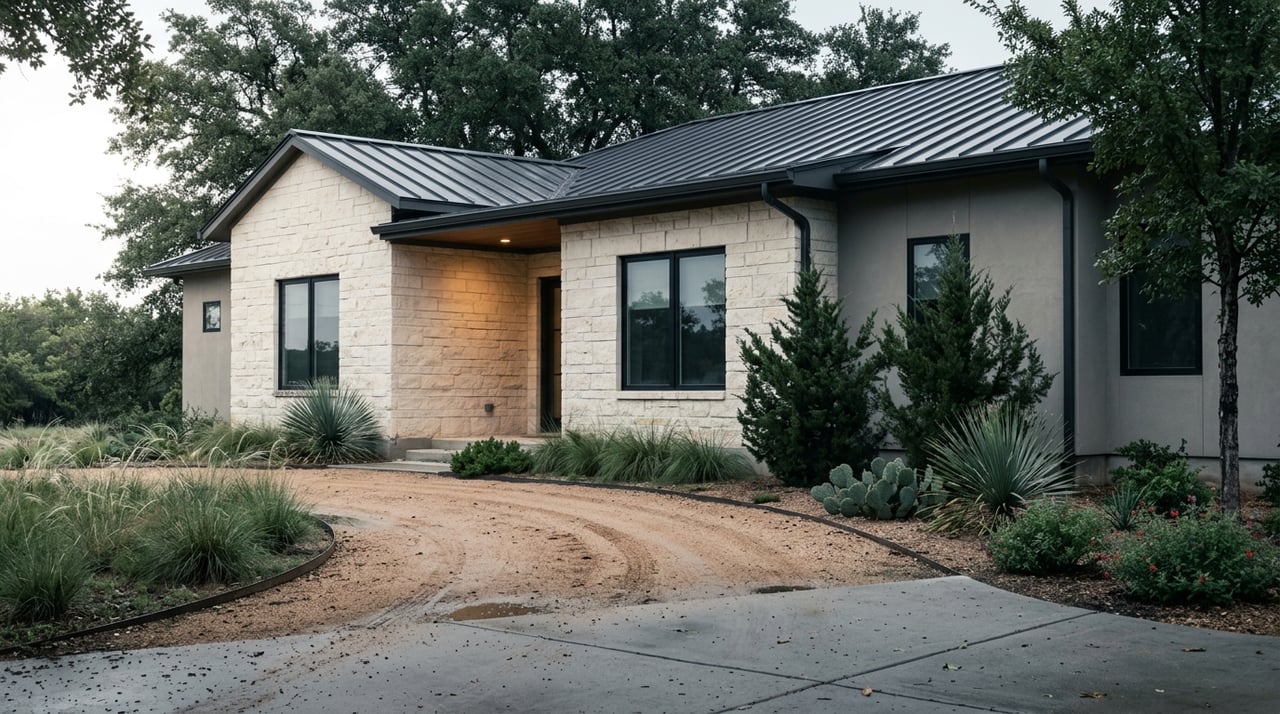
For you as a buyer or homeowner, that means Tarrytown does not feel one-note. Its homes feel mature, varied, and shaped by time rather than built around a single trend. Newer residences may be part of the mix, but the larger impression remains one of continuity, landscape, and long-term care.
Tarrytown’s lifestyle is not built around nightlife or major retail corridors. Instead, it revolves around amenities that support slower, more intentional routines. That pattern is a major part of what gives the neighborhood its understated appeal.
Nearby destinations make it easy to imagine a day that includes a walk, a lake stop, a museum visit, or a round of golf, all without straying far from home. These are not just attractions for occasional weekends. They function as part of the area’s everyday rhythm.
Mayfield Park & Preserve sits in the neighborhood and offers 23 acres of gardens, historic paths, a cottage, and the peacocks that many locals and visitors know well. It is the kind of place that supports quiet morning walks, informal outdoor time, and a regular connection to nature.
For a neighborhood like Tarrytown, that matters. Access to a preserved and distinctive green space reinforces the residential, low-key feel that defines the area.
The Contemporary Austin at Laguna Gloria is another important part of the lifestyle picture described in the research. Located about five miles from downtown, it combines outdoor sculpture, wooded pathways, the historic Driscoll Villa, and an art school.
That combination of art and natural setting fits Tarrytown well. It adds cultural depth without changing the neighborhood’s restrained character.
For many people, quiet luxury includes water. Tarrytown benefits from proximity to Walsh Boat Landing, which provides public access to Lake Austin. That nearby access supports a lifestyle that can include boating, time on the water, and scenic breaks close to home.
Even if you are not on the lake every weekend, that connection still influences the feel of the neighborhood. It adds a relaxed, outdoor-oriented dimension that is hard to replicate in more commercial parts of the city.
Lions Municipal Golf Course has been part of Austin since 1924 and remains one of the city’s most popular municipal courses. Its proximity helps round out the Tarrytown lifestyle with another long-standing recreational option.
Taken together, Mayfield Park, Laguna Gloria, lake access, and Lions Municipal create a pattern of daily life centered on walking, reading, art, boating, and golf. That is a very different rhythm from neighborhoods defined mainly by nightlife or destination shopping.
Another reason Tarrytown feels refined is that convenience is present, but it does not overwhelm the neighborhood. According to the city’s Central West Austin neighborhood plan, one neighborhood center is located around Exposition and Windsor Road, where the Tarrytown Shopping Center, Howson Library, Episcopal Church of the Good Shepherd, and Fire Station #10 are located.
The same plan notes a partial center at Exposition and Westover, where Casis Shopping Village and Casis Elementary are located. The key takeaway is not that Tarrytown lacks conveniences. It is that those conveniences are woven into the neighborhood fabric instead of dominating it.
Tarrytown also benefits from lively destinations around its edges, especially near Lake Austin Boulevard. Mozart’s Coffee Roasters is a well-known lakeside coffee spot with events and live music, and the research also identifies Hula Hut as one of the area’s signature waterfront dining names.
These kinds of places add energy and scenery nearby, while Tarrytown itself stays comparatively quiet at its center. For many buyers, that balance is a big part of the appeal. You can enjoy activity when you want it, then return to a neighborhood that still feels settled and residential.
Trends change, but neighborhoods with strong physical character tend to hold attention for longer. In Tarrytown, that character comes from a specific combination of location, mature landscaping, established homes, and a daily lifestyle tied to parks, art, golf, and the lake. None of it feels accidental.
That is what makes the neighborhood’s luxury feel quiet and lasting. It is not built on constant novelty. It is built on setting, continuity, and a way of living that feels both close to Austin’s core and slightly removed from its intensity.
If you are buying in Tarrytown, it helps to look beyond square footage alone. Pay attention to lot setting, tree canopy, street feel, proximity to amenities like Mayfield Park or Walsh Boat Landing, and how a home fits into the neighborhood’s established character. In a place like this, lifestyle value often comes from the full setting as much as from the structure itself.
If you are selling, Tarrytown’s story should be told with equal care. Buyers are often drawn to the area because of its understated prestige, close-in location, and everyday livability. That means strong positioning, thoughtful presentation, and neighborhood context can play an important role in how your property stands out.
If you’re considering buying or selling in Tarrytown and want guidance tailored to your goals, Tangela Bailey offers local insight, personalized service, and a thoughtful approach to Austin luxury real estate.
Stay up to date on the latest real estate trends.
Partnering with Tangela, I bring clients a well-rounded real estate experience built on collaboration, knowledge, and care. Together, we combine our strengths to guide buyers, sellers, and investors with confidence and clarity, making each step of the process seamless and rewarding.