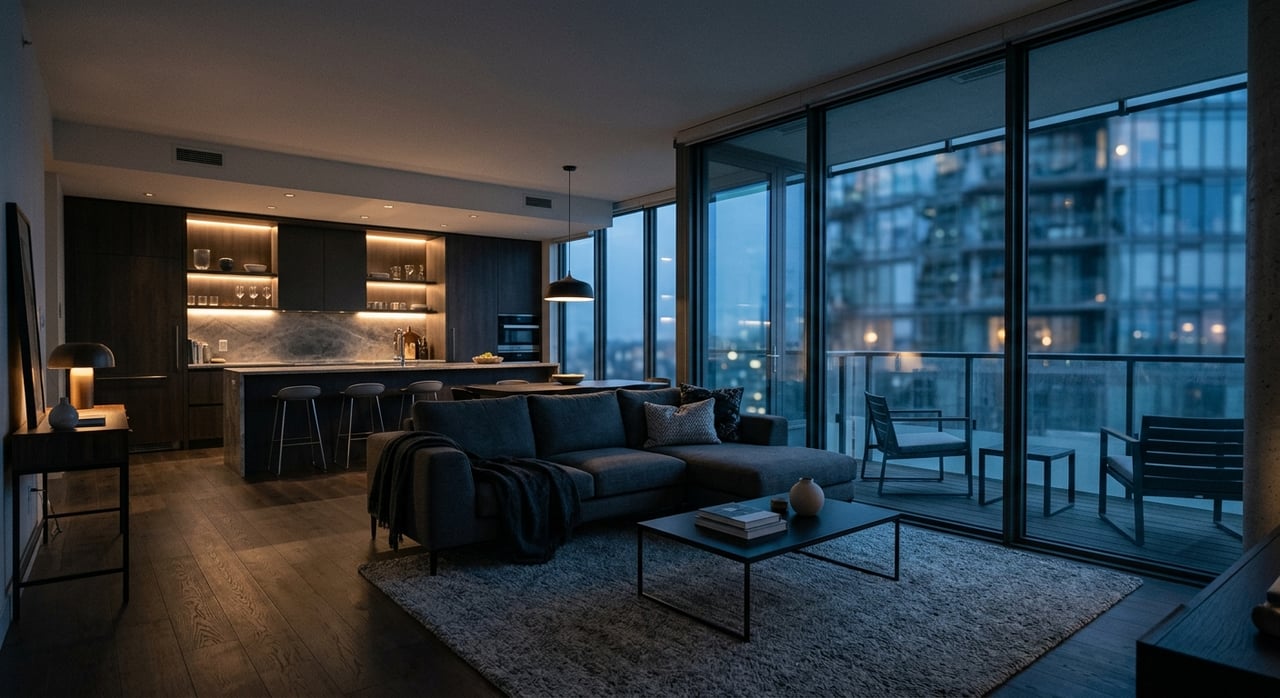
How to Price a Downtown Austin Condo with Confidence
April 16, 2026
April 16, 2026
If you price a downtown Austin condo too high, you can lose the one thing you cannot get back: buyer momentum. In a market where units are taking around 100 days to sell and many close below list price, smart pricing matters more than ever. If you are thinking about selling, this guide will help you understand what really drives condo value in Downtown Austin and how to price your unit with confidence. Let’s dive in.
Downtown Austin is not moving like the frenzied market many sellers remember. According to Redfin’s Downtown Austin housing market data, the median sale price was $740,000 in February 2026, homes averaged about 100 days on market, and the sale-to-list ratio was 95.1%.
That tells you something important: buyers have options, and negotiation is part of the process. In 78701 market data from Redfin, multiple offers are rare, average days on market are also high, and homes are generally not selling at full asking price. That is why accurate initial pricing often works better than starting high and hoping to reduce later.
When you price a downtown condo, your building is often the first pricing filter. Buyers are not just comparing your unit to every condo in Austin. They are comparing it to homes in the same tower, then to nearby buildings with a similar level of finish, amenities, and monthly ownership costs.
This matters because downtown values are highly localized. While Redfin’s Austin city guide shows a much lower citywide condo and co-op median sale price, downtown condo pricing sits in a very different range. Your condo should be priced against direct local competition, not broad city averages.
In many downtown towers, buyers are paying for the full ownership experience. That includes concierge service, amenity spaces, parking, storage, security, and how the building presents as a whole.
For example, this 44 East Ave sale on Redfin highlights unobstructed lake and skyline views, premium parking, storage, and extensive amenities. The listing also notes that the unit had a rare floor plan, which can influence value in a meaningful way.
At 70 Rainey on Redfin, available units range widely in asking price, and the building offers more than 31,000 square feet of amenities plus 24/7 concierge service. That kind of variation shows why your tower and your specific unit position both matter.
The best comparable sale is usually a recently closed unit in your same building. If there is not enough recent activity there, the next-best options are units in the same tower cluster or buildings with a similar age, finish level, amenity package, and buyer profile.
A wide neighborhood average is rarely enough for downtown condos. In recent 78701 sales tracked by Redfin, sold prices ranged from $460,000 to $1.16 million, and days on market ranged from 22 to 550 days. That is a big spread, and it shows how much details can affect final price.
When reviewing comparable sales, pay close attention to:
A two-bedroom unit that looks similar on paper may still command a very different number if it has better views, a more desirable stack, or more attractive carrying costs.
Price per square foot is useful in Downtown Austin, but it should be a check, not the entire strategy. The Douglas Elliman Downtown Austin condo micro-market report reported an average sales price of $899,386 and an average price per square foot of $562.
That gives you a helpful benchmark, but it does not replace building-level analysis. Even similarly sized units in the same building can sell far apart in price because of floor height, views, parking, and finish level. In downtown condo pricing, the details often move the number more than the square footage alone.
Today’s market gives buyers room to negotiate. The broader Unlock MLS February 2026 Central Texas housing report shows Austin with 6.2 months of inventory and an average close-to-list price of 92.1%, even as pending sales improved year over year.
For downtown sellers, that means your list price should be strategic, not aspirational. If most buyers expect to negotiate and your condo enters the market above its likely value range, it can sit longer and appear stale. A stale listing can invite lower offers than a well-priced one would have attracted from the start.
Here are a few common warning signs:
In a slower downtown market, timing matters. Early pricing accuracy often protects your leverage better than repeated cuts later.
Many sellers focus on the unit and overlook the project itself. But condo buyers, lenders, and appraisers often look at the building’s overall financial and operational picture just as closely.
According to Fannie Mae’s condo project guidance, loan eligibility can be affected by issues such as unresolved critical repairs, inadequate master insurance, pending litigation, weak financial health, or project features that create financing concerns. If financing is harder to obtain in a building, the buyer pool can shrink, and that can affect pricing power.
HOA fees are part of the buyer’s affordability picture. Fannie Mae notes that condo and HOA fees should be included in affordability calculations, which means higher dues can reduce what some buyers can comfortably pay.
That does not automatically reduce value, especially in full-service luxury towers. But it does mean buyers weigh monthly cost against amenities, services, and convenience. Strong pricing accounts for both the lifestyle offering and the monthly carrying cost.
A smooth sale supports stronger pricing because it reduces uncertainty for buyers. In Texas condo transactions, the association typically prepares the TREC Condominium Resale Certificate, which provides important project and association information.
If you can gather key documents early, you may avoid delays once you are under contract. Buyers tend to feel more confident when the financial and association picture is clear, and confidence can help support cleaner negotiations.
If you want to price your Downtown Austin condo well in today’s market, focus on a disciplined process instead of a guess.
Start with the newest sales in your building. Give the most weight to units with similar size, floor level, view, and finish.
Look at active and pending listings in your tower and similar buildings. These are the homes buyers will compare against yours right now.
Make realistic adjustments for features like:
Use local sale-to-list trends and average days on market as a reality check. If downtown units are often selling around 5% below list, your starting price should reflect that environment.
The first impression matters. When a condo is priced correctly from day one and presented with strong marketing, it has a better chance of attracting serious buyers before the listing ages.
Price gets buyers interested, but presentation helps justify the number. In a downtown luxury setting, buyers often respond to clean visuals, clear positioning, and a polished story about the unit’s lifestyle value.
That is especially true when two units compete in the same building. Professional photography, video, and thoughtful marketing can help buyers see why your specific condo stands apart. When combined with sound pricing, presentation can strengthen your position in negotiations.
If you are considering selling a Downtown Austin condo, the right strategy is rarely about chasing the highest possible list price. It is about understanding your building, your unit’s true strengths, the current buyer mindset, and the numbers that support a successful result. If you want a personalized pricing strategy backed by local market knowledge and polished marketing, connect with Tangela Bailey to get started.
Stay up to date on the latest real estate trends.

Partnering with Tangela, I bring clients a well-rounded real estate experience built on collaboration, knowledge, and care. Together, we combine our strengths to guide buyers, sellers, and investors with confidence and clarity, making each step of the process seamless and rewarding.